Relocating to El Centro, CA means moving to the county seat of Imperial County, a city of about 44,000 residents in the Imperial Valley. Many newcomers come for affordable homes, a bilingual community and mild winters. They also plan for very hot summers, car-dependent living and a smaller job market.
People relocate to El Centro from Los Angeles, from Arizona, and from Mexicali and across Mexico. Some come for work in healthcare, agriculture, education, or government. Some come home to family. Some arrive because their money finally buys a real house here instead of a small condo on the coast. Whatever brings you, this page walks through the neighborhoods, schools, commutes, everyday life, and setting up your new home.
Why People Move to El Centro
Start with the basics. El Centro is the Imperial County seat and the largest city in the Imperial Valley, with about 44,000 residents counted in the 2020 census. Founded in 1906, it sits below sea level in California’s southeastern desert, less than 20 miles north of Mexicali, Mexico. It is a working city — the commercial and civic center of a farming valley — and that shapes the character of life here.
The biggest draw, for most newcomers, is value. Typical home prices in El Centro recently sat around $440,000 (median sold price, Imperial County MLS, November 2025 through October 2026) — well below the California average and a fraction of coastal prices. That difference changes what a family can do: a third bedroom, a yard, a pool, a shorter mortgage. Add a close-knit, bilingual community where people still know their neighbors, winters that are genuinely beautiful, and a pace of life without coastal traffic, and you start to see why relocating to El Centro makes sense for so many households.
Where You’ll Live: Neighborhoods and Nearby Cities
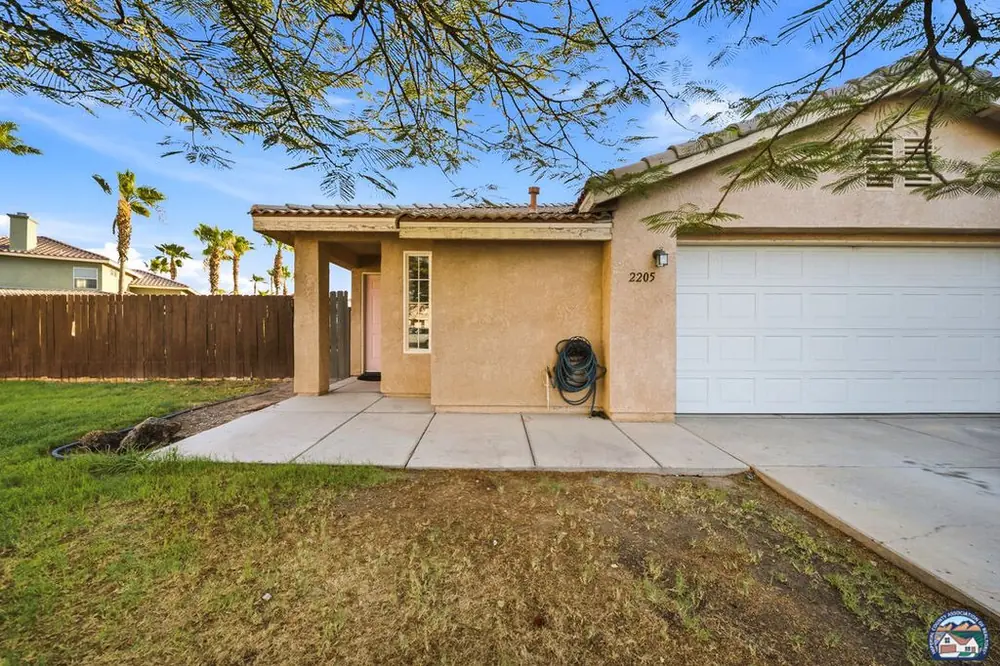
El Centro’s established central neighborhoods carry the city’s history: ranch-style homes and bungalows on tree-lined streets, close to schools, parks, and downtown. These areas appeal to buyers who like character, mature shade, and short drives to everything. Newer growth is pushing out along the city’s north and east edges, where you will find newer Mediterranean-style homes in growing subdivisions.
The McCabe school area, on the city’s east side, is one of the most sought-after pockets in town — families ask for it by name, and homes there tend to move quickly when they come up — and growth is still coming. On October 20, 2026, the City Council approved the final map for the Willow Bend subdivision, which will bring 120 new lots with a park west of South 4th Street.
Because the valley’s cities sit close together, many newcomers shop El Centro and its neighbors at the same time. Next-door Imperial, just north, is known for newer master-planned subdivisions and the Imperial Unified school district, and the two cities are growing together along corridors like Aten Road. Brawley, to the north, offers its own established neighborhoods and Pioneers Memorial Hospital. Calexico, at the border, suits households whose life is deeply cross-border. Holtville and Heber are smaller, quieter options with a small-town feel. The right answer depends on your commute, your schools, and your budget — and since all of these towns are within an easy drive, you can compare homes for sale in El Centro and across the valley in a single weekend of tours.
Schools and Education
Families relocating to El Centro are served by two local districts. The El Centro Elementary School District covers kindergarten through eighth grade across the city. For high school, students attend the Central Union High School District — Central Union High School and Southwest High School are both here in El Centro — which offers career-pathway programs that connect students with local industries like agriculture, healthcare, and public service.
Higher education is close to home, too. Imperial Valley College, about five miles away in Imperial, enrolls more than 7,000 students and is an affordable first step toward a degree, a certificate, or a skilled trade. In nearby Calexico, SDSU’s Imperial Valley campus gives local students a path to a four-year degree without leaving the valley. For parents, the practical advice is simple: confirm which school a specific address is zoned for before you buy, and visit campuses if you can — El Centro schools are a topic we discuss with relocating families every week.
Getting Around: Commutes and Travel
El Centro is a car-dependent city — plan on driving for work, school, and errands, as public transit is limited — but driving here is easy. Interstate 8 runs east–west through town, connecting you to the coast in about two hours and to Yuma, Arizona in about an hour. Highways 86 and 111 run north–south through the valley, linking El Centro with Imperial, Brawley, Calexico, and beyond. Most commutes within the valley run just 10 to 30 minutes, and traffic jams are rare enough to be a local joke.
For air travel, Imperial County Airport (IPL) sits just a few minutes from town and offers connecting service toward the Los Angeles area and Phoenix — handy for business trips and connections. For bigger trips and direct flights, many residents also drive to the airports in Palm Springs or Yuma. It is one of the honest trade-offs of valley life: you gain space and affordability, and you plan your flights a little more carefully.
Work and Everyday Life
El Centro is the valley’s job center. Healthcare is anchored by El Centro Regional Medical Center, one of the region’s largest employers. Education — the local school districts and Imperial Valley College — employs thousands. Agriculture and food processing remain the valley’s foundation, with lettuce and other winter vegetables, alfalfa, and more shipped nationwide from fields irrigated by Colorado River water. Retail and services, government, and border-related employers round out the picture, from the county seat offices downtown to the ports of entry at Calexico.
Day to day, life is practical and unhurried. Imperial Valley Mall is the regional shopping hub, drawing shoppers from across the valley and from Mexicali. Groceries, schools, medical care, and everyday services are all close — most errands in El Centro are a short drive. Evenings are for backyard dinners and desert sunsets, and winters — when January highs sit near 71°F — are the season locals brag about. The honest counterweight is summer: July highs average around 111°F, and life shifts to early mornings, shade, and air conditioning. People adapt — pools, shaded yards, and covered patios are common here for a reason — but visit in summer before you buy, so the heat is a known quantity.
Cross-Border Life with Mexicali
One of the defining features of life here is the border. Two Calexico ports of entry connect the valley with Mexicali, a much larger city just minutes south. For many El Centro families, cross-border life is simply life: relatives on both sides, favorite restaurants and bakeries in Mexicali, shopping, celebrations, and services, with business flowing both directions. Daily life in El Centro is bilingual — English and Spanish everywhere, from storefronts to schoolyards — and newcomers who speak either language, or are learning the other, settle in quickly.
Frequent crossers commonly use SENTRI, the trusted-traveler program with dedicated lanes that can make regular trips faster and more predictable. If your work or family will take you across often, it is worth looking into early. We are glad to talk through how relocating to El Centro works when part of your world is in Mexicali.
Setting Up Your New Home
A few local specifics will save you headaches in your first weeks. Electricity and water service in El Centro are provided through the Imperial Irrigation District (IID), so setting up your IID accounts is one of your first calls after closing. Because this is desert country, budget realistically for summer cooling: air conditioning runs hard for months, and insulation, shade, and a well-maintained system make a visible difference in your bills. When you tour homes, look the way locals look — covered patios, shaded yards, and pools are not luxuries here; they are how summer gets lived.
When you are ready to start looking, Search El Centro homes to see what your budget buys across the city, and view my current listings for what is available right now. Before you choose an agent for the move, read our Google reviews from families across the Imperial Valley.
Your First 90 Days in El Centro
Ninety days from now, El Centro can feel like home — if the first weeks are handled in the right order. Here is the checklist we share with relocating families:
- Before the move: confirm your closing timeline, set up electricity and water with the Imperial Irrigation District, and line up internet service and mail forwarding.
- Week one: change your address, update your driver’s license and vehicle registration if you are arriving from out of state, and stock the house for desert life — water, shade, and a serviced air conditioner.
- First month: enroll the kids and confirm school zoning, choose your doctors and dentist, and learn your routes — Interstate 8, Highway 86, and Highway 111 will become second nature.
- If your life is cross-border: look into SENTRI early and keep your documents organized for regular crossings between Calexico and Mexicali.
- By day 90: meet the neighbors, find your grocery store, your park, and your favorite taco spot, and take one desert drive — out toward the Imperial Sand Dunes or up to the Salton Sea — the landscape you now call home.
Frequently Asked Questions About Relocating to El Centro
Is El Centro a good place to relocate?
For many households, yes. Relocating to El Centro offers affordable homes, a close-knit bilingual community, and mild winters, balanced against very hot summers, car-dependent living, and a smaller job market. It fits families, remote workers, retirees, and cross-border households especially well.
How much do homes cost in El Centro?
Typical home prices recently sat around $440,000 (median sold price, Imperial County MLS, November 2025 through October 2026) — well below the California average and a fraction of coastal prices. That is why so many buyers moving to El Centro, CA find they can afford more house, more yard, and a shorter mortgage here.
How far is El Centro from Yuma and Mexicali?
El Centro is about a two-hour drive east of the coast on Interstate 8. Yuma, Arizona is about an hour east, and Mexicali is less than 20 miles south, reached through the Calexico ports of entry.
Do I need to speak Spanish to live in El Centro?
No — English is spoken everywhere. But Spanish is part of daily life here, and even a little goes a long way with neighbors and local businesses. Our team works fully in both languages, en inglés y en español, at every step.
Relocating is a lot of moving parts — a home to find, a timeline to hit, a whole new town to learn. You don’t have to figure it out alone. Whether your move to El Centro is next month or next year, call or text us at 760-909-2185 or send Gisela a message — in English or Spanish — and let’s talk through neighborhoods, schools, and timing honestly. We have been helping families make this move since 2006, and we would be honored to help yours.
— Gisela N. Sanchez, REALTOR®, Realtor® · eXp Realty of California · CA DRE #01765802